

Guys, I can’t do this anymore. Something needs to change. I need to make… better quality episodes!
[intro]
Hello my Lovely Learners, and welcome to Easy Stories in English, the podcast that will take your English from OK to Good, and from Good to Great. I am Ariel Goodbody, your host for this show. In today’s episode I will tell you about some quite dramatic changes that are coming to the podcast. As always, the transcript and PDF are available at EasyStoriesInEnglish.com, and you can find the link in the description.


So yes, it’s true. I can’t keep going on making episodes like this, but before I reveal the shocking truth, I need to tell you the meaning of some words. So if you simply can’t wait, just skip to the next chapter.
Binge, B-I-N-G-E, means to consume a lot of one thing at one time, in one sitting. Traditionally, it refers to binge drinking, which is when you drink lots of alcohol in one go. It’s quite common in the UK, especially at universities. But these days, bingeing often refers to watching TV shows or eating lots of food. For example, your favourite TV show might drop its new season all in one go and you might binge all the episodes at once.
This was a very popular form of releasing TV episodes years ago, before COVID. For example, when Orange is the New Black came out people would binge the whole season. Personally, I’m not much of a binger myself, but I can play video games for hours if I’m not careful!


A leap of faith is when you make a really big decision that could go really well or really badly. You’re essentially leaping, jumping, into the unknown. Moving to China was a big leap of faith for me, but fortunately, it is going very well!
Watching paint dry isn’t really an activity people do. That’s the point. It’s a phrase we use to talk about something hypothetical that is so, so boring. For example, you might say that studying English from a textbook is like watching paint dry, and I would agree with you, because I think textbooks are a very boring way to learn.

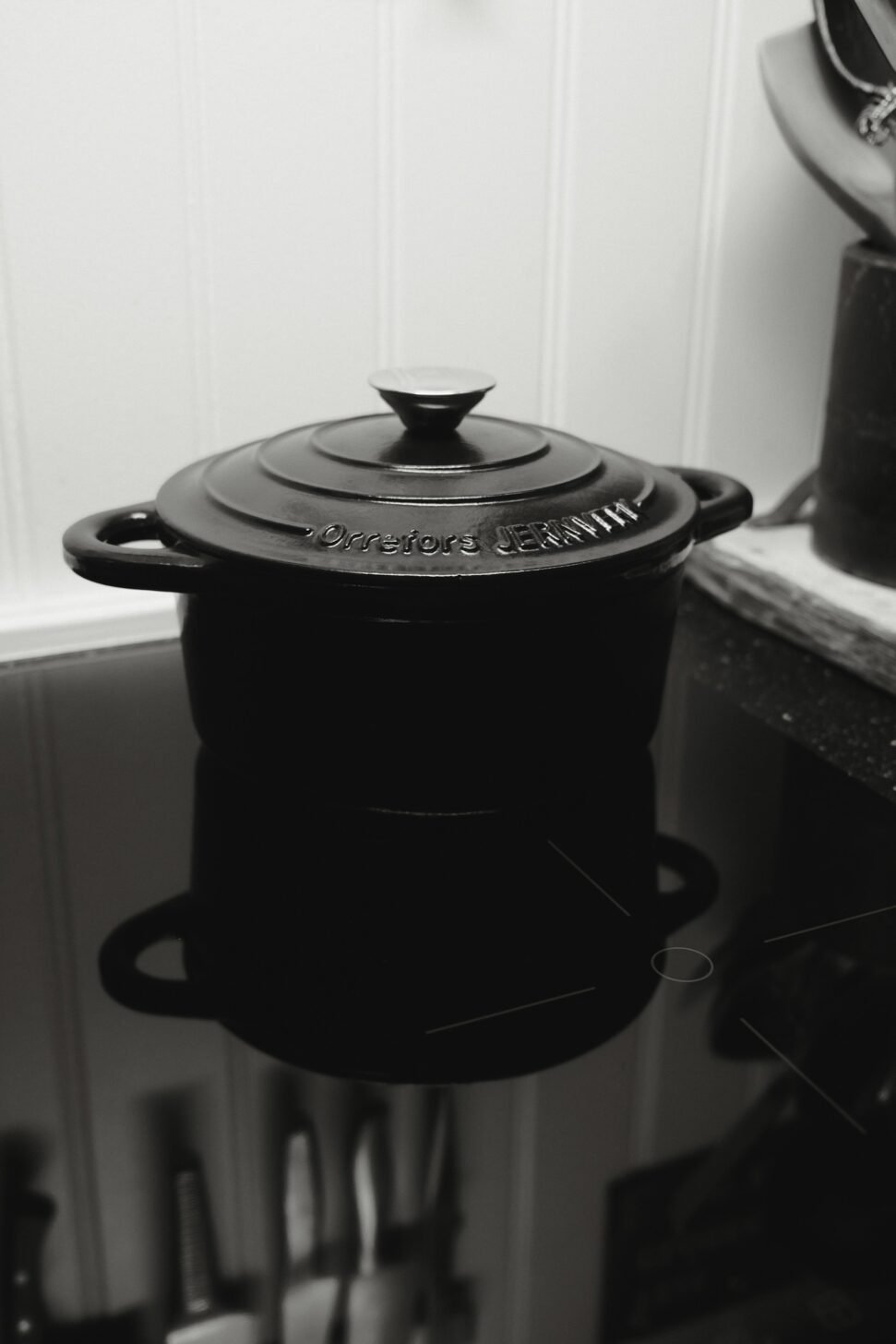
When you have a project on the back burner, it means you are not actively working on it. If you think about a hob in a kitchen, you have four burners, and you might put a saucepan on the back burner, simmering a sauce for like forty minutes, while you cook some onions, you fry some onions, on the front burner. So the idea is often that we leave something on the back burner and come back to it later. I have a lot of things on the back burner in my creative life right now, but I’ll get to that later.
When we say that something sucks, we mean that it’s really bad. And this is very colloquial language. It’s specifically quite American. For example, I think that public transport in the UK sucks, at least outside of London, but the quality of dairy products – so milk and yoghurt – in China also sucks. So, sucking is universal!
Fortnight means two weeks. It literally comes from ‘fourteen nights’. We use this in British English, but they don’t use it in American English. So, when they would say ‘biweekly’ or ‘once every two weeks’, we would say ‘fortnightly’ or ‘once a fortnight’.
When something kicks in, usually a medicine, it starts being effective. For example, many painkillers, many medicines that reduce the level of pain, take about 30 minutes to kick in. We can also talk about an emotion kicking in. For example, in today’s episode I’m talking about fear kicking in, when suddenly fear rushes through your body a bit like a medicine taking effect.
Anodyne, A-N-O-D-Y-N-E – which, by the way, is one of my favourite words – means boring, specifically in a way where something has been designed to be as inoffensive and bland as possible. These days, it feels like most media is made to either be really inflammatory – to offend as many people as possible – or to be completely anodyne, to be uninteresting and friendly to everyone. A lot of bad pop is bad precisely because it’s anodyne, and now with AI, anyone can pump out endless anodyne songs, stories, images – because AI literally just takes the soup of everything that exists and mixes it all together and creates very average anodyne work.
An anecdote, A-N-E-C-D-O-T-E, is a story from real life. Anecdotes are usually quite short, it’s usually observing a situation. We also talk about ‘anecdotal evidence’, which is when you don’t have scientific studies about something, but lots of people talk about experiencing the same thing, and usually anecdotal evidence is what inspires scientists to study something in the first place.
Finally, a preview is when you get to see a bit of something before it’s released. Later on, I’ll be giving you a preview of an upcoming episode, so look forward to that!
Alright, let’s get into the episode.
[funky drum beat]
So I’ve been doing the podcasting thing for a while now: almost eight years. When I started, I was just a newbie teacher taking my first steps of independence out in the world. I loved podcasts – I binged them for hours every day – and I was looking for a creative outlet, a way to share my writing, and so Easy Stories in English came together.

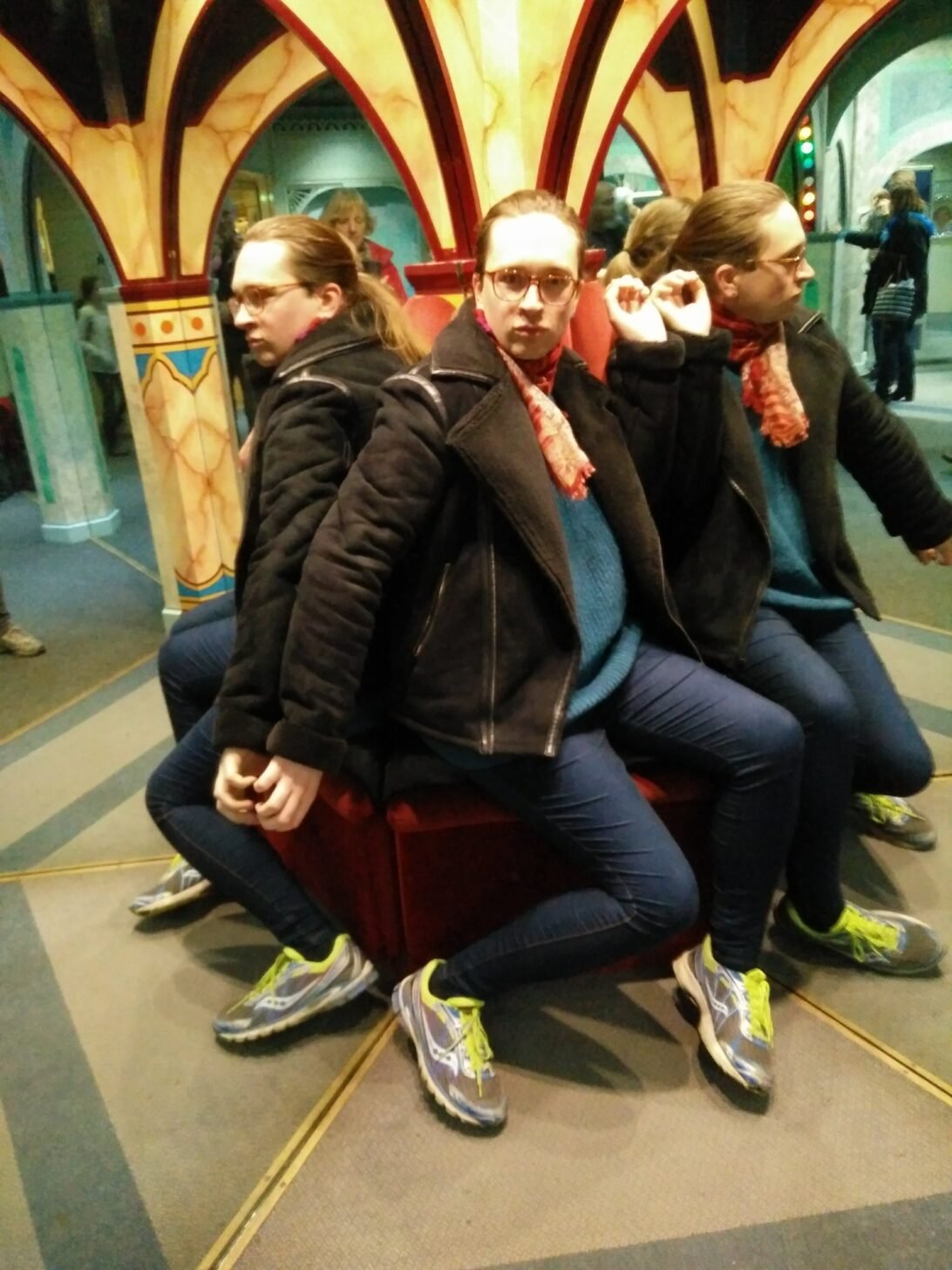
I’m no longer that same shy 25-year-old. I’ve been through COVID – as we all have – had a rather complicated health and gender journey, and last year I moved halfway across the world to China. I’m not the only one who’s changed – the podcast market, or ‘content landscape’ as people like to call it, is completely different now in 2026 than it was in 2019.
I talked about bingeing your favourite shows before, but this is becoming less and less common worldwide. Increasingly, rather than diving deep into one creator’s content, people are watching what the algorithm serves them, and the algorithm offers a buffet of endless variety. Never before have more people been competing for your ears.
Production standards have changed, too. I originally started a podcast because it required less effort than video, but these days podcasts are expected to have video, too, and not just any video, but tightly-edited, well-shot feasts for the eyes. Well, I don’t know, you decide whether I fit that bill!
Finally, tastes have changed. I remember the days when a 10-minute YouTube video was considered long. Now, I’ll happily sit down to watch a five-hour documentary about the history of North Korean pop culture. Not in one sitting, although if you do want to watch that video, I’ll link it in the description. It’s fascinating.


But I digress. These days, I come home from work, sit down on the sofa and hungrily wait for videos from my favourite YouTubers. And when those videos arrive, I eat them up! Contrapoints is one such example, a brilliant YouTuber who releases videos about once a year now. But they’re not just any videos! They’re well-researched, they’re beautifully shot and, most importantly in my opinion, masterfully written.
So where does this put me and my little show? Well, first of all, I’ve never really been like the other English learning podcasts.
Hello, everyone, and welcome to the BBC: Boring British Club! Where you can learn English by listening to the most tedious, dull conversations possible. Did you know that ‘tedious’ and ‘dull’ are synonyms of ‘boring’? If you haven’t shot yourself from boredom yet, congratulations! You just raised your IELTS level by 0.1.
Today we’re talking about boring things in the past tense. Sandra, what did you do on the weekend?
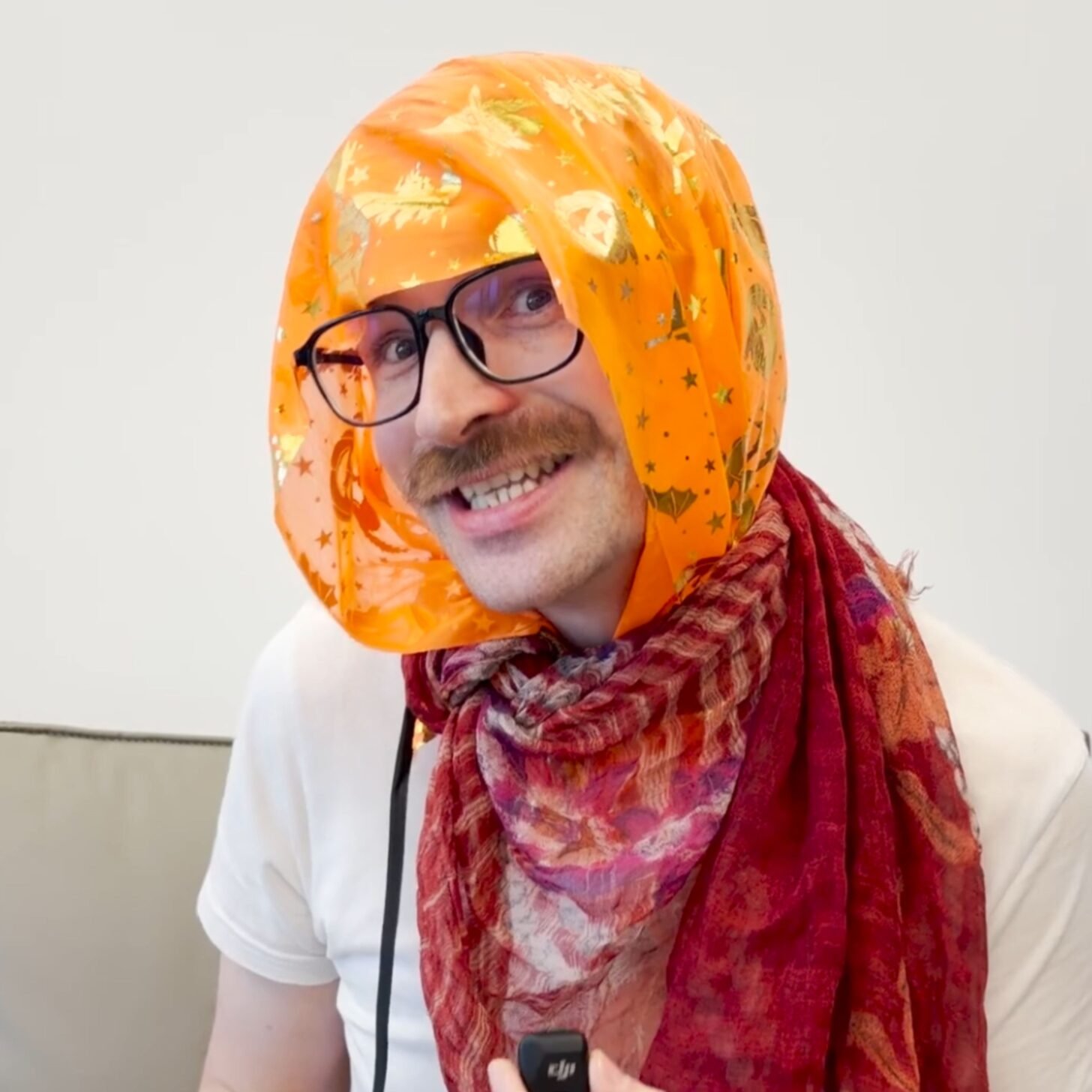
Well, Ariel, on the weekend, I watched paint dry, I counted the number of fridges in my house – I have just one fridge – and I thought about rabbits.
Thinking about rabbits? Do you have any pets, Sandra? Oh, sorry, we’re using the past tense. Did you go to the pet shop on the weekend, Sandra?
No, I didn’t. But I thought about rabbits anyway.
Careful, Sandra. That sounds a bit too… Oh crap, past tense. Uh, Sandra, I once thought about rabbits, and it was very interesting, but I was part of a show called Boring British Club – which had only the dullest and most tedious conversations! – and it was a bit too interesting, so I got into trouble…
Mm! Did your boss tell you off in this story?
It’s not a story, Sandra. It’s real. And yes, my boss told me off, and I almost lost my job.
Well then, I suppose I should tell you about the other thing I did on the weekend. On the weekend, I looked for a new job!
I wish they were like that. Unfortunately, they’re more like ‘Five Words For Walking Down the Stairs’. You know, not my thing. My thing is a bit more…
[gibberish]
But as I’ve said, times are changing. And, I’m kind of getting bored of my own style. For a long time now, I’ve been wanting to work on deeper projects – longer stories, with music and sound effects, and just a general higher quality of production value. I’ve done some of these episodes in the past few years: The Juniper Tree, Hamburg, the City of Water and Doing Evil are the three episodes that come to mind, but these took me a long time to make.
The first two I did while I was working full-time on the podcast, and I started writing The Juniper Tree in October 2022, which means it took me almost three years to go from start to finish. And I work full time now, so if I started that episode now, I don’t even know how long it would take!
I’ve fallen into this pattern where I have these big, juicy projects on the back burner, but because I’m always rushing to get the next episode out on schedule, I can never finish them. Or, for example, when I’m going on holiday, I don’t want to be working, so I’m in this mad rush to batch a bunch of episodes before I go away, and I can just never take those things off the back burner. The Juniper Tree is not an exception – I have many projects, both episodes and other things related to the podcast, that I’ve been trying to do for years. It’s not an exaggeration!

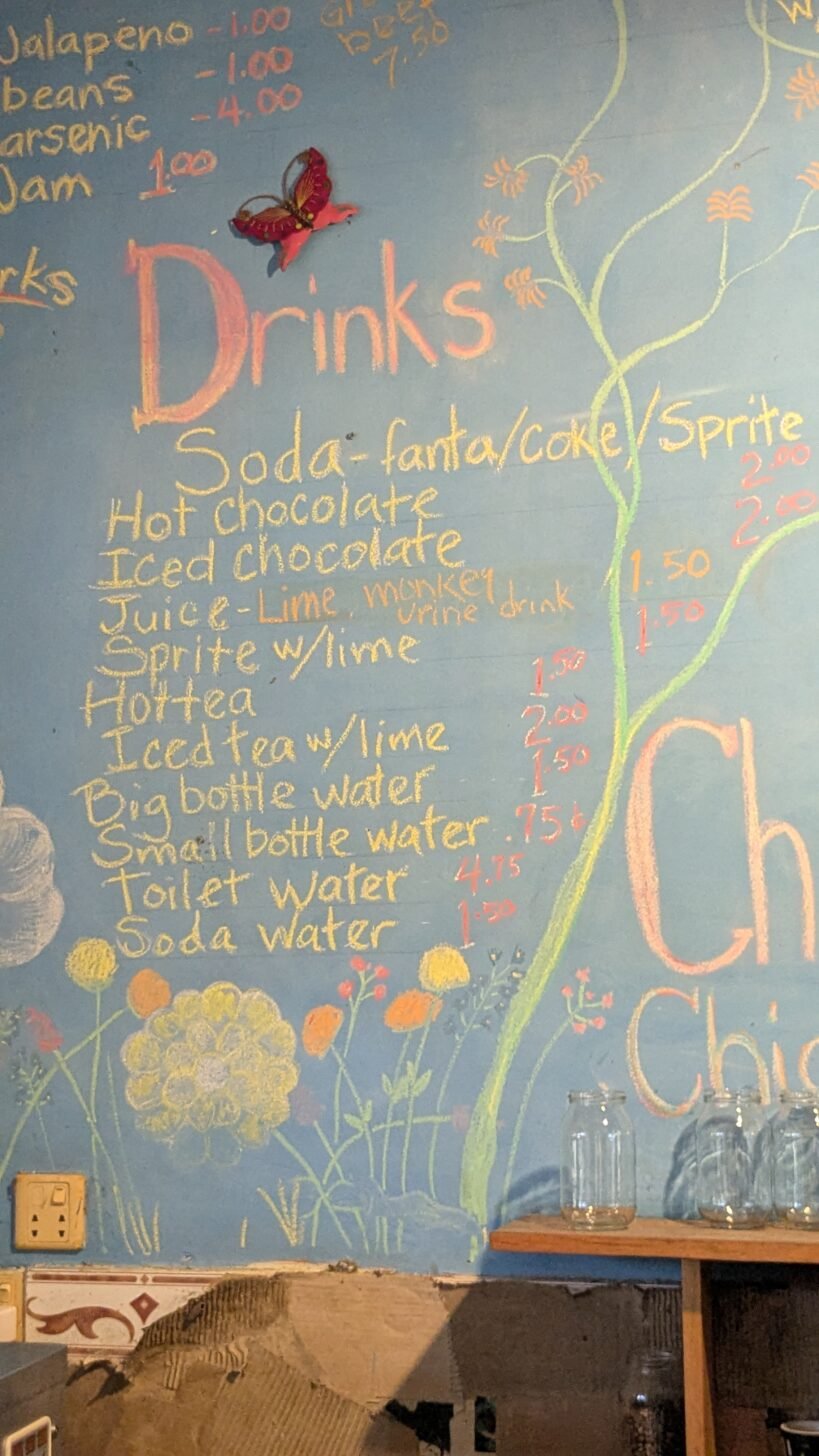
The last straw, for me, the thing that made me say, ‘OK, enough is enough,’ was the Cambodia episode. Because the Cambodia episode sucked. Like I’m sorry, it just sucked. It was bad. I only talked about Cambodia for half of the episode, and I didn’t even go into the actually interesting stuff because I ‘didn’t want to cry’. Honestly, it was emotionally, intellectually and artistically lazy.
So here’s the deal. I need more time to work on episodes. That’s it. That’s the big leap of faith I’ve been building up to this whole time.
’Cause here’s the thing. In 2019, it made sense to do one episode a week, because it was the era of quantity over quality. When I came back from my hiatus in 2022, it made sense to switch to once a fortnight for my own mental health. But now I really need to do something that I feel creatively proud of and that actually fits the content landscape, and that is bigger, juicier episodes, but fewer episodes.
Really, the only reason I didn’t do this before is I was scared. The longer you do one project online, the more fear kicks in. Because you have an audience now, and audiences have expectations. You’ve got to always come up with new and better content. Every year, there’s more competition. And finally, the geniuses at Spotify or YouTube could just roll out of bed one day, change the algorithm, and make you disappear like that.
I would also be lying if I said money wasn’t a factor in this decision. When I was self-employed working on the podcast, I was terrified of making any changes that might affect my income, but now I have a full-time teaching job that leaves me very comfortable, so I have no reason not to experiment.
Because… I have big plans. At the start, I thought I was ‘just’ a teacher and ‘just’ a writer, but over time, I began to realise, ‘You know what, I’m not half bad at this voice acting thing.’ And now? I’m like, screw it, let’s go for it! Music, sound effects, epic stories. So much content online is lazy, anodyne, simplistic. I want to make art! I want to make deep, real art that shakes the mind and stirs the soul. And I want you to learn English at the same time.
So, yes, Easy Stories in English is changing. There won’t be a regular schedule anymore. Just saying that terrifies me. But don’t worry – I’m not going to leave you waiting 8 months between episodes! I’ll find little ways to fill in the gaps. Actually, that’s where I think the unscripted content, the little anecdotes, the shorter stories, will be perfect. And I’ll also be giving you previews of those big, juicy stories that are to come.
Speaking of which, here’s a preview of what I’m working on at the moment!
[transition]
When the ten suns rose, it was like a fireworks display going off in Houyi’s face. It took all his strength to not turn away.
‘You nine suns who have joined the sky!’ Houyi cried. ‘I come to ask you: why? Our people suffer, our rivers dry. Won’t you leave and let us be?’
Three of the suns circled around towards Houyi, as if curious about his message. But they remained silent. He could not tell if they understood.
So Houyi spoke again.
‘You nine suns who have joined the sky!’ Houyi cried. ‘I come to ask you: why? Our people suffer, our rivers dry. Won’t you leave and let us be?’
Another three of the suns came forward, but these three did not stay quiet. The moment Houyi’s words came out, their laughter boomed. It thundered in Houyi’s ears and made the back of his eyes itch.
But still, the young man did not give up.
‘You nine suns who have joined the sky!’ Houyi cried. ‘I come to ask you: why? Our people suffer, our rivers dry. Won’t you leave and let us be?’
The next three suns came, and these three did not find Houyi’s words amusing. In fact, they began to boil, deepening in colour until they were as red as a lobster’s tail, and before Houyi knew what was happening, one of the suns was shooting towards him.
Houyi leapt for his bow and arrow. He readied the arrow and fired, striking the sun mere metres from his face. The sun let out an animal scream, breaking into strips of red silk which caught fire, burning Houyi’s face. But no sooner had the first sun gone than the second one threw itself at Houyi, and again, he let off an arrow, tearing the creature apart and showering the mountaintop in fire.
The battle continued in this way – one by one, the suns rained down on him, and Houyi shot so fast he thought his fingers might break. Three, four, five, six, seven… He soon lost count. The ground around him was transformed to magma, covered with the remains of the once-powerful suns.
Finally, one sun remained on the horizon, shining like a fresh bruise. Houyi raised his bow, ready to fire, when—
‘Wait!’
He almost fell over. Behind him stood a Daoist monk, his blue robes flapping in the wind.
‘Young man, that is our original sun. If you shoot it down, you will throw the world into darkness.’
[transition]
As an artist, you always have to change. Also, I don’t know if you’ve noticed, but uh, the world is changing quite a lot right now. We need powerful stories more than ever. I kind of hate saying that, like, ‘Oh, stories are going to change the world!’ But it’s kind of true? It’s, it’s like when you learn a language, and you say, ‘Oh, I’m learning English for travel, or for work,’ but really the biggest change that comes from learning a language is the deep connections you form because you were able to speak it. And that is something we simply cannot predict.
So, before we finish, let’s just recap all the new words I’ve taught you this episode.
If you’re new to the show, maybe this has inspired you to go back and binge all the previous episodes. And if you’re a long-time listener, please support me in this leap of faith. You will have to wait more than a fortnight for the next episode – hopefully it won’t feel like watching paint dry! – but if the loneliness starts to kick in, you can always follow me on social media, where I’ll be posting previews of upcoming episodes. Finally, if this idea sucks, if these bigger, juicier episodes end up being uninspired and anodyne, I guess I can always go back to telling little anecdotes from my everyday life.
The only word I haven’t used is on the back burner, which is fitting, because things left on the back burner often get ignored.
So, comment and let me know: what is one leap of faith you’ve been considering, but have been too scared to make? Who knows? Maybe I can help give you a little push.
Thanks for listening, and may you learn English happily ever after. Bye!