Even just learning about those experiences, seeing the history, talking to people who had been alive affected me so deeply, like it made me so, so sad that I don’t even want to really talk about the things that I learned.
[intro]
Welcome to Easy Stories in English, the podcast that will take your English from Okay to Good and from Good to Great! I am Ariel Goodbody, your host for this show. Today’s episode is a conversation about many things, mainly my holidays. As always, you can find the transcript at EasyStoriesinEnglish.com and the link to said transcript is in the description.

So it’s been a while since I’ve actually recorded one of these, because as I’ve mentioned several times I did a bunch of episodes back to back before my holidays, and then I went on holiday. So what did I do on said holidays? Well, first of all, I stayed here because in fact, I did not travel, but a friend from London travelled to see me. Yes, little old me, little old Ariel Goodbody.
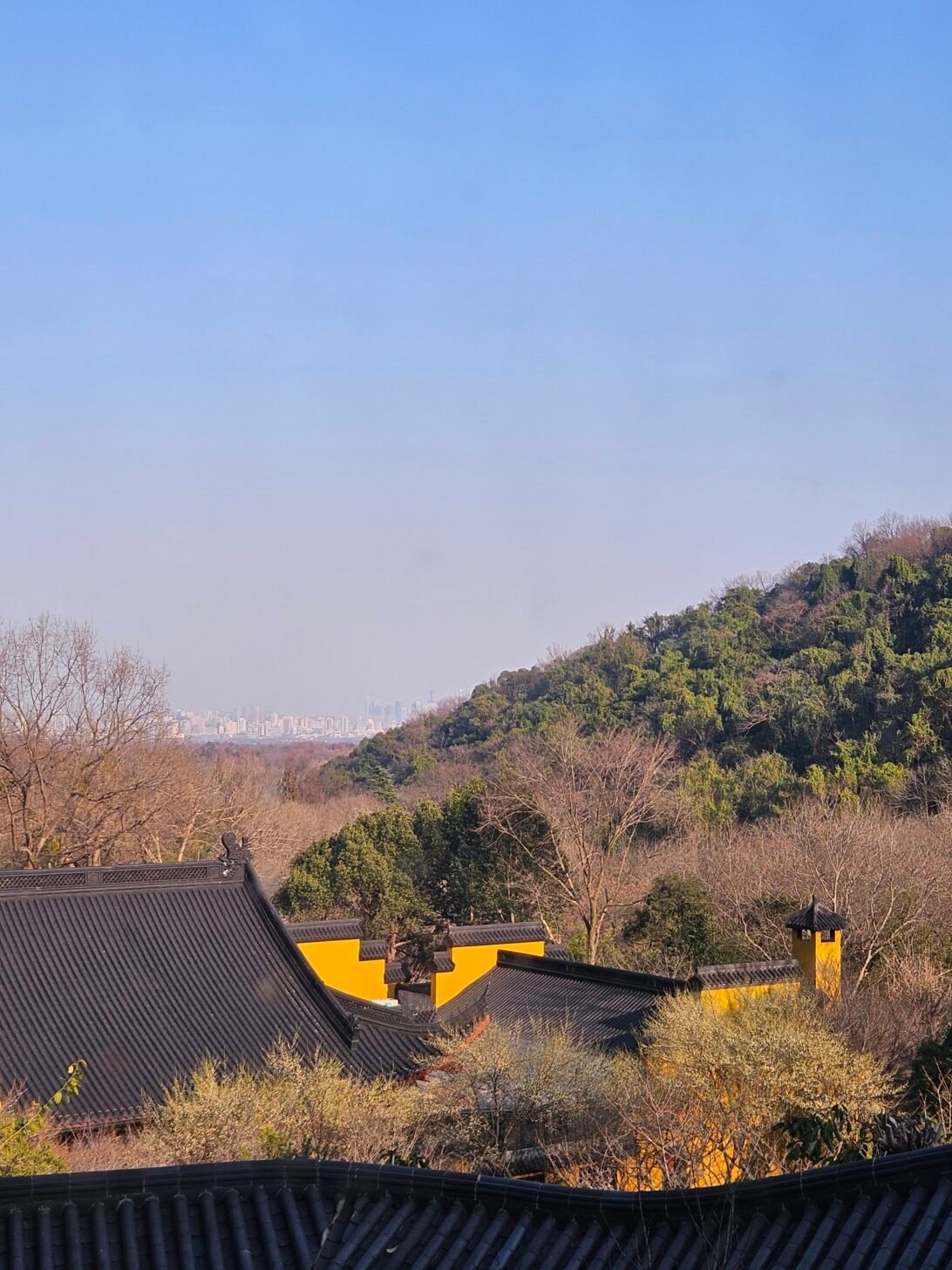
One of my dear friends from London Town flew all the way to Ningbo, China just to see me, and that was lovely. We spent a good few weeks together. We hung out in Ningbo, mainly so he could get over his jet lag. We spent a few days in Hangzhou, and then we also went to Shanghai.
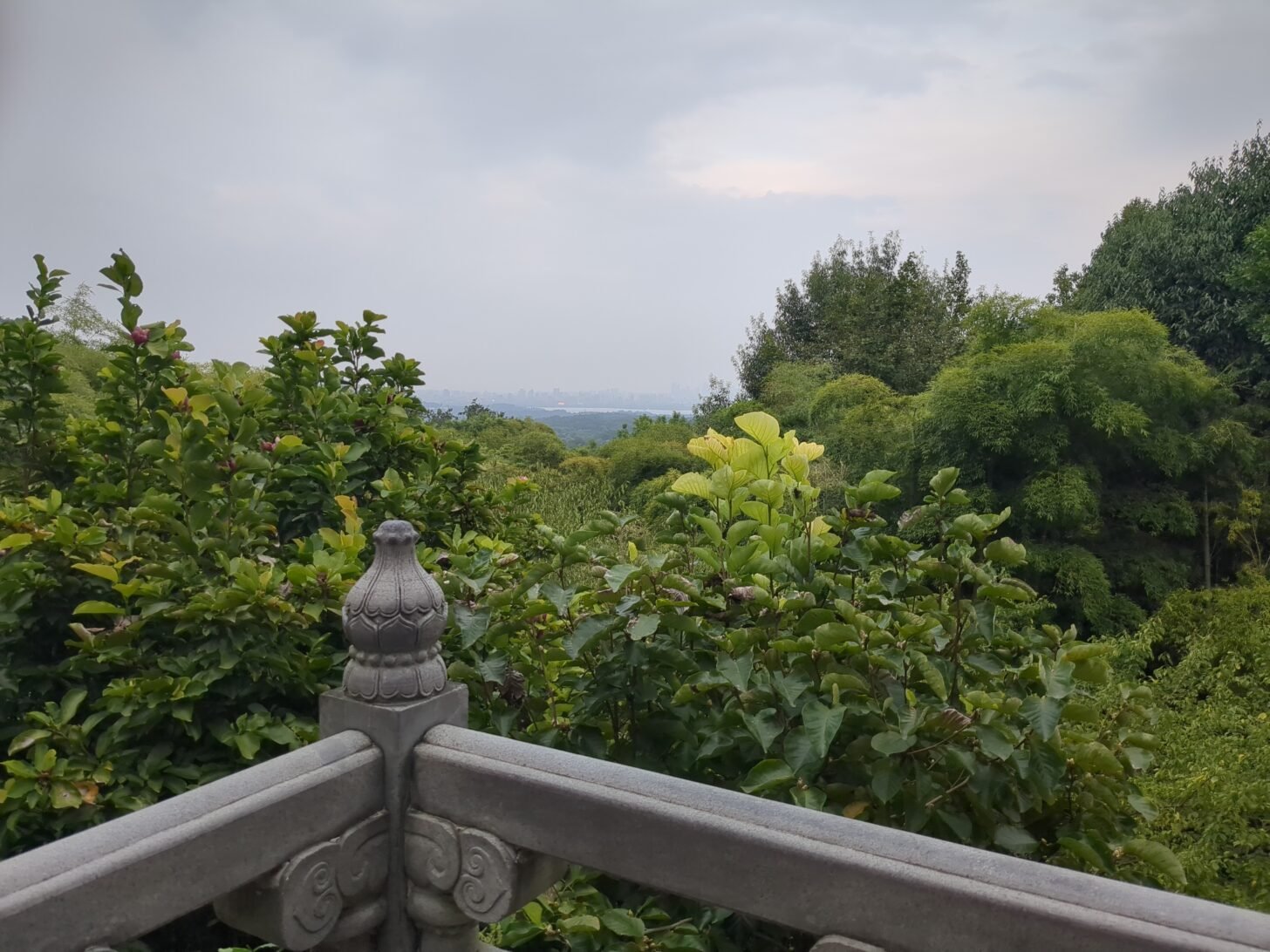
So if you are an avid listener of the podcast, you will know that these are not new places for me. I have traveled to Hangzhou and Shanghai before. It’s always lovely doing things with another person. There were lots of things I hadn’t done in all three places by myself, and I love showing people around.
The highlights of the trip for him, I think, were the food, um, just the scale and marvel of things in China. And one comment he made that was very interesting was in the West we get a lot of negative propaganda about China. So really when you come here, you have to see things with your own eyes to really understand what it’s like. China is so big, it’s so complex. There are so many different sides to it that I really think you have to come here to truly understand it.
His other main takeaway was that China is very similar to America. And I have to say, I agree. They’re both very nationalistic countries. They’re both very large empires and they both love massive portions of food.
Oh my God, the food portions in China are so big! I put on five kilograms since my appendicitis in, was it October? Anyway, I had my appendix, which is a very useless, stupid organ, I had my appendix removed last year in China. I lost some weight after that surgery, but then I gained like, actually probably more than five kilograms between then and going to Cambodia in February. So when I realised that in Cambodia, I was like, uh, this is a wake up call! I need to lose some weight.
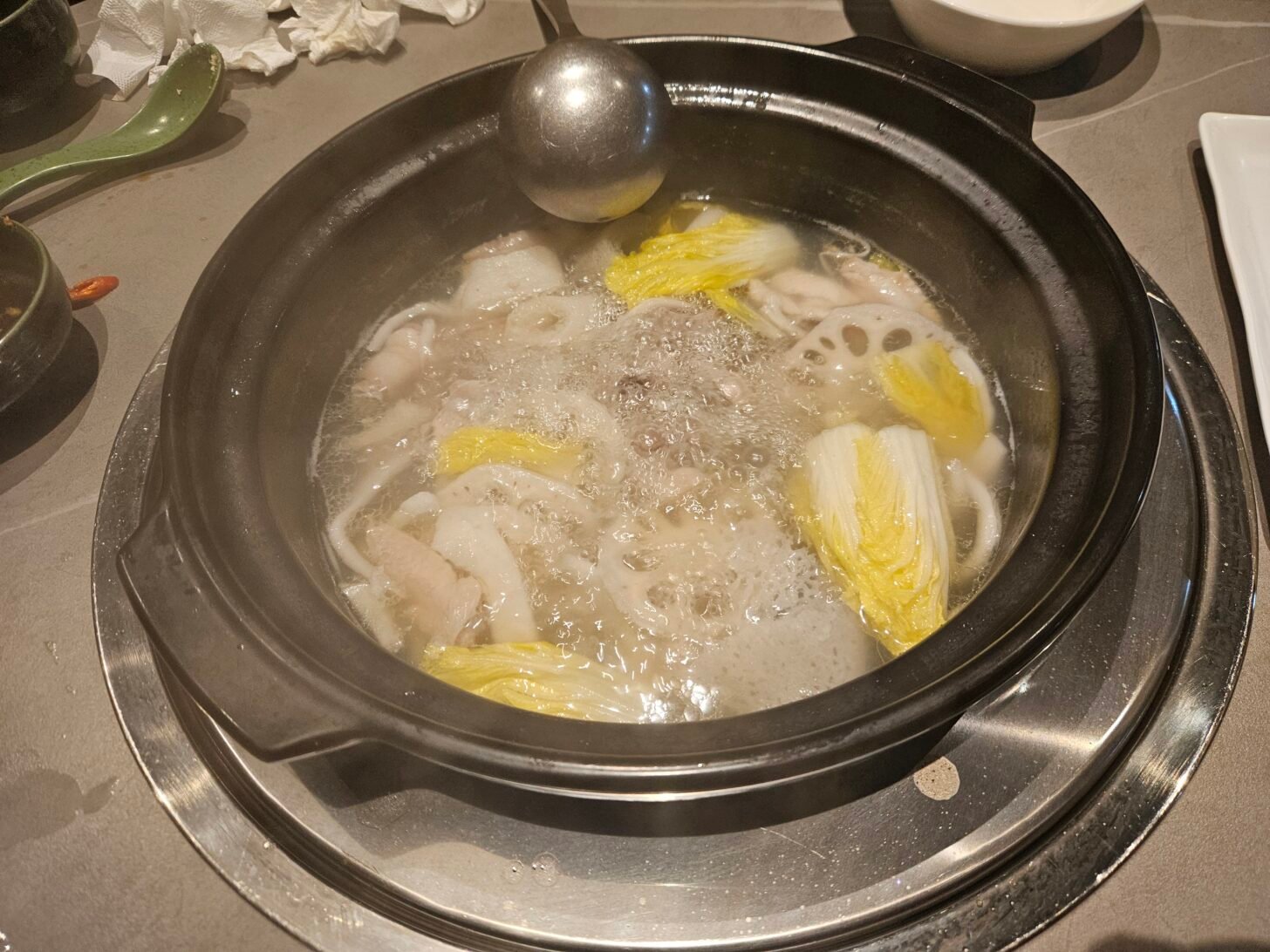
Since I’ve been back to China, I’ve been eating a lot more mindfully. I take a bite of food, I put down my fork, spoon or chopsticks, and I chew many, many times. I chew and chew until the food is disintegrated into a nice mush that I know will be easy for my body to digest. Then I take a sip of water, and then I start the whole process over again. So this way I eat slowly, I eat mindfully, I help my own digestion.
And I’ve realised that what previously I would eat as one meal, I would get one portion from a Chinese restaurant, and that would be an entire meal, now can be like two-and-a-half meals for me. Like I’ll eat some of it, put the rest as leftovers in the fridge, and then the next day I still can’t finish the food. It’s just too much food!
So yes, that’s a way that Chinese people and Americans are very similar. Another way is this attitude of, well, you’re in our country. Of course you’re going to speak our language. Duh! There’s that kind of large empire posturing, I guess you could say. Well, like obviously you’re coming to China, obviously you love our food, obviously you’re gonna speak our language. It’s funny experiencing this as a British person, ’cause obviously it probably felt that way in the past with the British Empire, but it certainly doesn’t feel that way now. We are much smaller on the world stage.
However, quite amusingly, just two days before my friend came to China, the British Prime Minister Kier Starmer went to China and negotiated visa-free travel for British people. So my friend had to go through this whole process of getting a visa only to find out if he had traveled like a few weeks later he wouldn’t have needed a visa. So that’s life, I suppose.
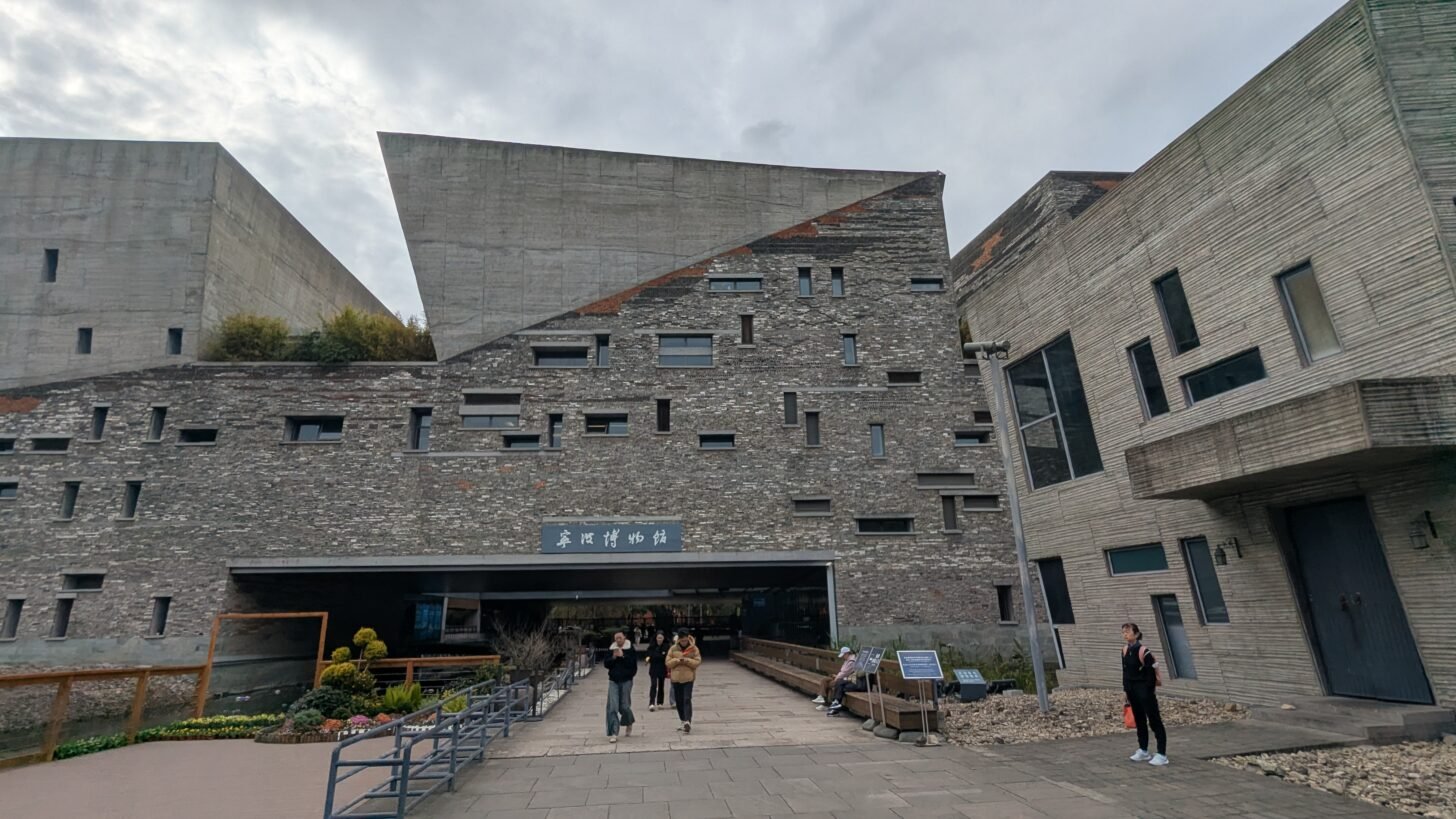
Other things I did with my friend that I hadn’t done before: I visited Ningbo Museum. That was good fun. It’s a free museum. You just have to give your passport number. It’s pretty good. It’s a very interesting building actually. Uh, we did a night cruise down the river where you can see all these amazing lit-up buildings. And we stayed in a lovely hotel by West Lake in Hangzhou, so that was just really beautiful.
We had a bit of a mishap in a tea house. So I now understand Chinese tea culture. You go to a tea house, you pay a cover fee for each person that’s maybe like one-to-two-hundred kuai, which is about 10 to 20 pounds, and then you get a really big pot of tea and hot water so you can keep making tea, and then usually some bowls of fruits and nuts and other snacks.
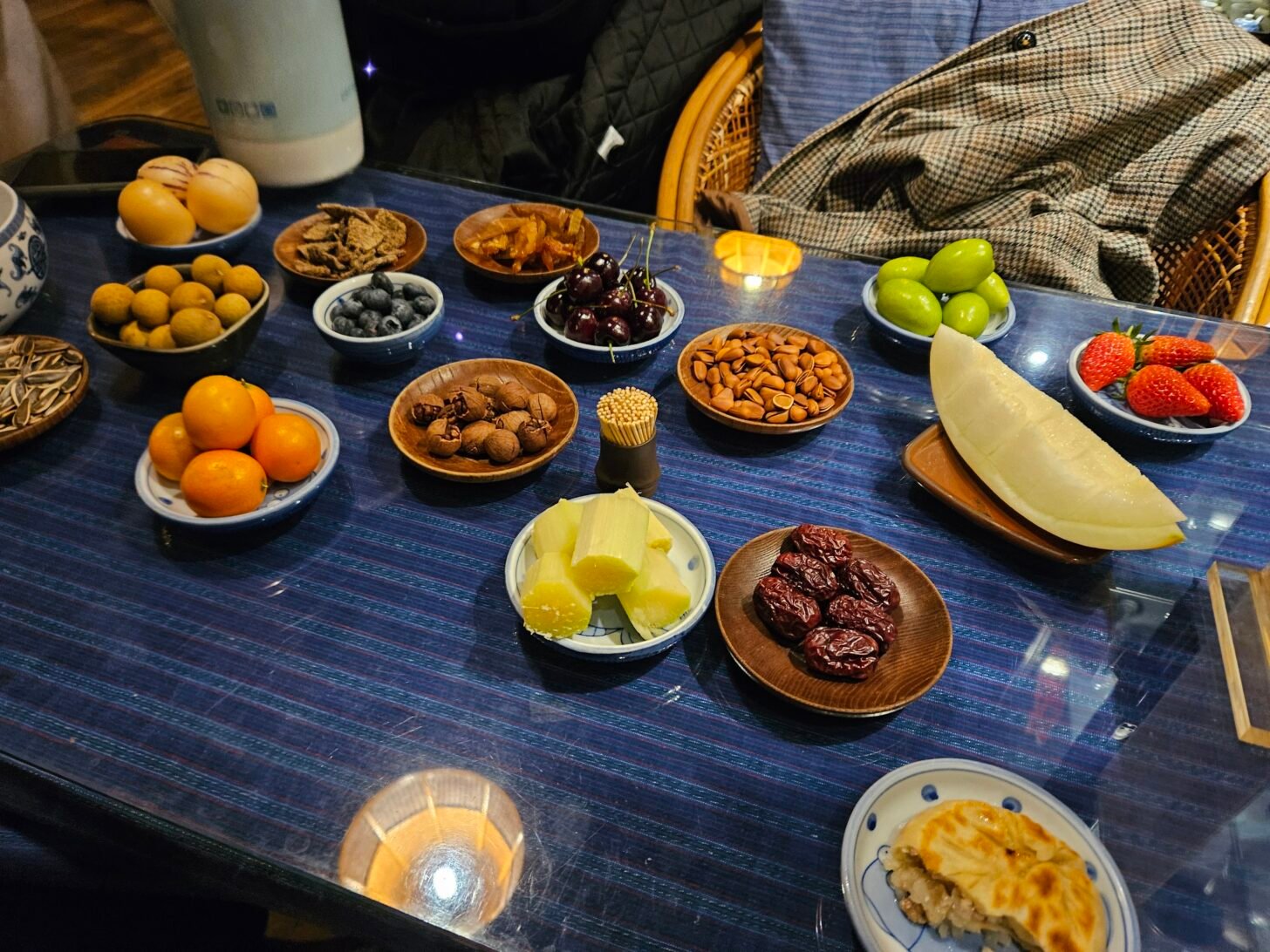
But that’s where it varies a lot because we, after one meal in Hangzhou, decided, oh, it would be nice to go and get a cup of tea somewhere or something like that. And, uh, we accidentally ended up going to this tea house where they gave us about 15 bowls of fruit. Um, and they were like, oh, by the way, over there there’s also two buffets. There was a cold buffet and a hot buffet. So you could easily sit there for seven hours and have like three meals. And it was great! The tea was great, the ambiance was great, the food was delicious. So I will definitely be going to more tea houses in future, but next time I will make sure I am more hungry.
While in Shanghai, I also gave into some quite, I don’t know if embarrassing is the word or shameful, but I gave into some consumerist urges. So there’s this character, I guess, that’s become really popular in China, which is just a capybara. Capybaras are these really big rodents from South America, and they kind of have a long history as mascot characters, ’cause back when I went to Japan for the first time in 2008, maybe? It was a long time ago. I got a little like key chain that was like a cute little capybara and I was like, oh, okay, this capybara character is popular in Japan. But some time I think maybe a few years ago, capybaras exploded in popularity in China, and now you can just see capybara plushes, capybara bags, capybara anything.
Now I love capybaras and obviously, because of this nostalgia from this old trip to Japan, I kind of felt I had this special connection to capybaras. I feel like they embody this kind of noble yet clumsy energy, which I feel really reflects myself. But I had told myself, I’m not gonna buy stupid tat. I’m not gonna buy silly toys, you know, just ’cause I have the money and just ’cause I can, doesn’t mean I should.

But when we were walking down the main shopping street in Shanghai, I was assaulted by the image of beautiful capybara statues outside a toy shop. Yes, they had dedicated a whole section of this toy shop just to capybaras, and when we went inside, they were playing a heavenly tune. Capybara, capybara, capybara, capybara.
And you know, after hearing that tune on repeat like 20 times, ‘cause the song is like one minute long, it gets indelibly, permanently etched, carved into your brain. That song will never leave my brain. And now that I’ve sung it, it may well never leave yours, dear listener.
But anyway, I decided, huh, this is a sign from God or perhaps some powerful capybara spirit that I need to just buy capybara nonsense. So I purchased a capybara bag with a detachable croissant-shaped capybara character that’s like a purse. I bought a plush capybara, and as I’m recording this, I’m looking at my phone, which I’m recording the video on, which has a very cute capybara case.
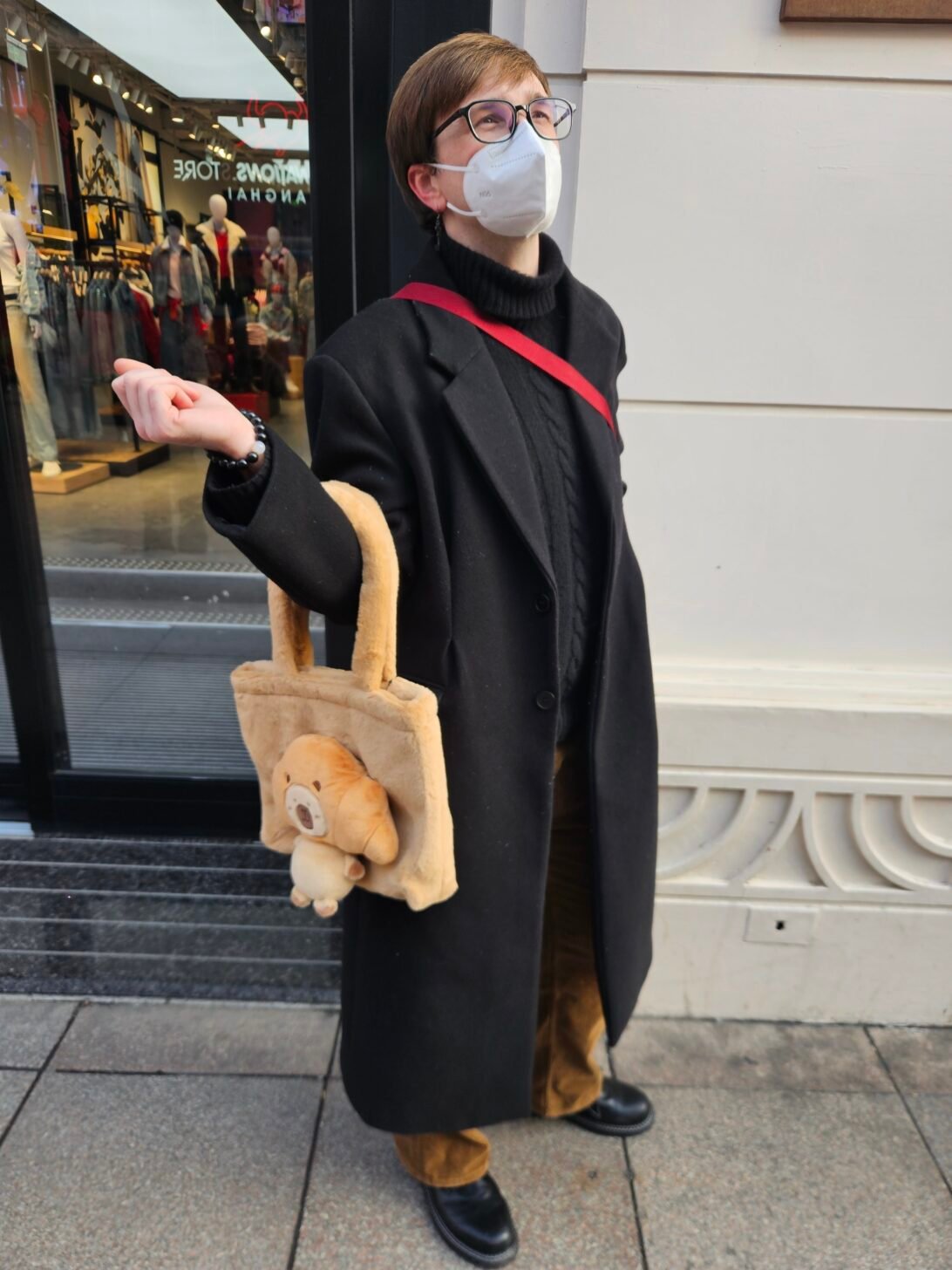
So don’t be surprised, my lovely listeners if, oh no! I forgot to call you Lovely Listeners at the beginning of the episode. No! That’s one of my most important jobs. My third most important job is being a teacher, my second most important job is being really cute, and my first most important job is calling you Lovely Learners at the beginning of each episode!
Ariel, how dare you? If you’re listening. I just slapped myself on the face. Well, let me repair the damage. Lovely Listeners, Lovely Listeners, Lovely Listeners. Don’t be surprised if next episode you see me wearing head-to-toe capybara gear because there was a rather fetching, a rather handsome capybara cap that I almost bought, but my friend talked me out of it.
And don’t be surprised if you hear me saying, instead of Lovely Listeners… Well, no, I will say Lovely Listeners. I’ll always say Lovely Listeners except for this time when I forgot to, but I promise every time in the future I will absolutely say Lovely Listeners. What was I saying? Lovely Listeners! Aside from Lovely Listeners, I will exclusively make capybara noises. I will speak in the capybara tongue. Now, I don’t actually know what noises capybaras make, but I imagine it’s something like… I just get that kind of energy from them. It’s not beautiful noises. But they’re homely noises. They’re warm noises. They’re friendly, loving noises. So you’ve got a lot to look forward to in the next episode, my Lovely Learners!
So anyway, after my friend’s visit to China, I had a mere one day to return to Ningbo, rest, pack my bags before I headed off to Cambodia. But I stayed a night in Kunming in Yunnan Province, as you will know, if you listened to the last episode where I talked about my trip to Stone Forest.
Now Cambodia. Originally I was going to do a whole episode about Cambodia, but I had a much more emotional experience in Cambodia than I expected. Cambodia is one of my top 10, probably top five holidays I’ve ever been on. It was both beautiful and moving. I don’t feel like I can really talk about everything that I experienced and learned without it coming across as overly emotional or maybe insensitive.
As you probably know, Cambodia has both a rich history of temples and their own kingdom, but then it also has the bloody modern history of the Cambodian genocide. And I really can’t talk about it in lots of detail here because one, I might cry, but two, I think it’s one of those things that you really need to, I don’t know. Obviously if you can go to the country, that’s the best way to learn about it. Not everyone has that opportunity.
I will say it’s really worth learning about because I had some ideas of what it was like before I went there, and then going to the Killing Fields, going to the prison in Phnom Penh, having our tour guides explain, you know, what happened, their own relationship to it, because basically everyone you meet in Cambodia has been touched by the genocide in some way. Having those experiences, it was so much more emotional than I expected. I really, really was deeply affected.
You know, one of our tour guides was born in 1976 during the rule of the Khmer Rouge. So he grew up malnourished with his mom having to leave him in the field so she could go work. Many people you talk to say, oh, I probably have brothers and sisters and cousins who I was separated from during the Khmer Rouge, and we have no way of finding each other again. Basically, everyone in this country has been affected by it.
It was in the seventies, it’s so recent, and because of that, and then the Vietnamese rule and the ongoing warfare in the region, the country’s never really had a chance to recover, so it’s still very, very poor. It’s the poorest place I’ve been to, and it’s incredibly beautiful, and the people are shockingly lovely. They are the friendliest people you will meet. Really caring, sweet, polite, genuine people.
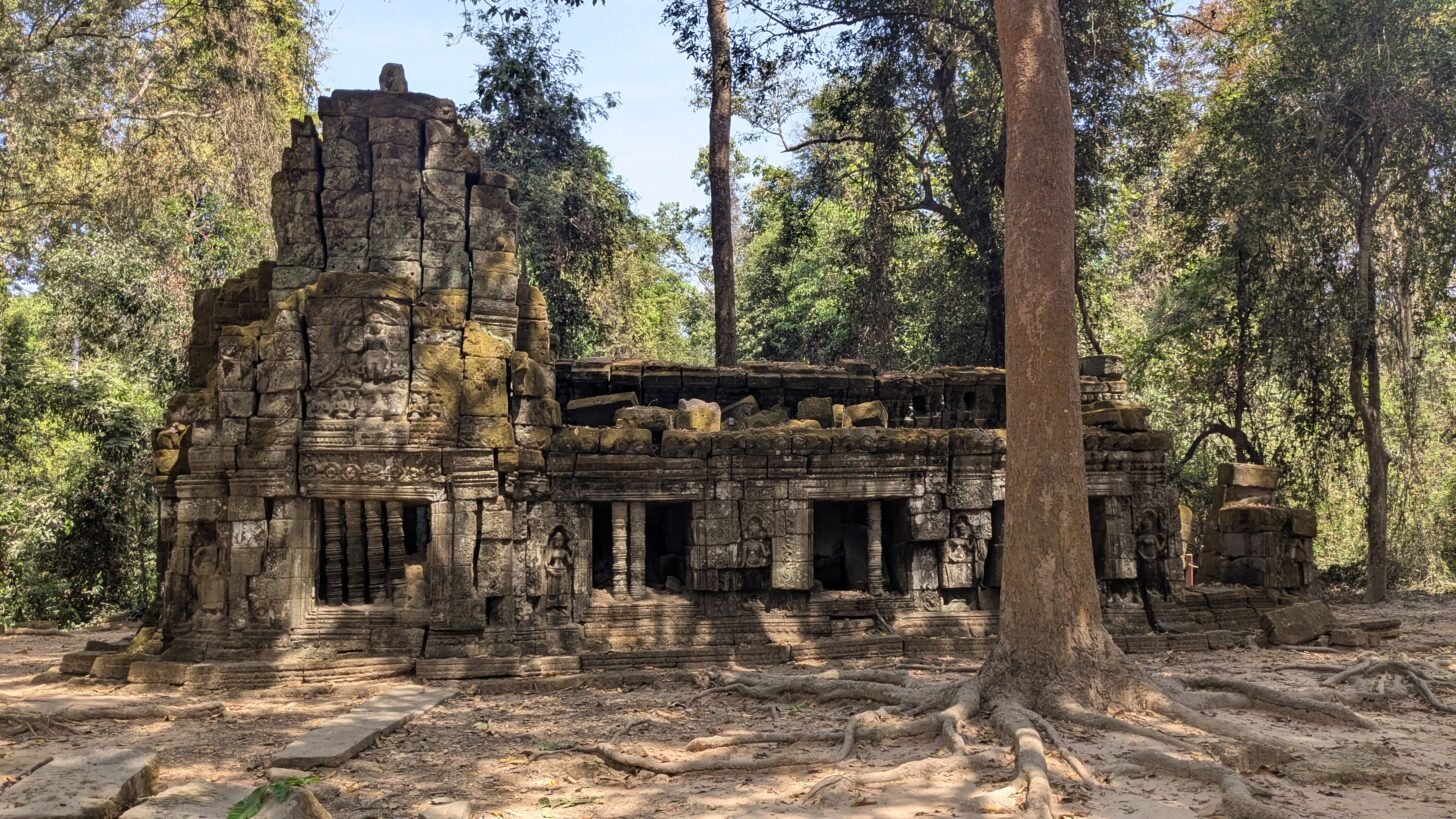
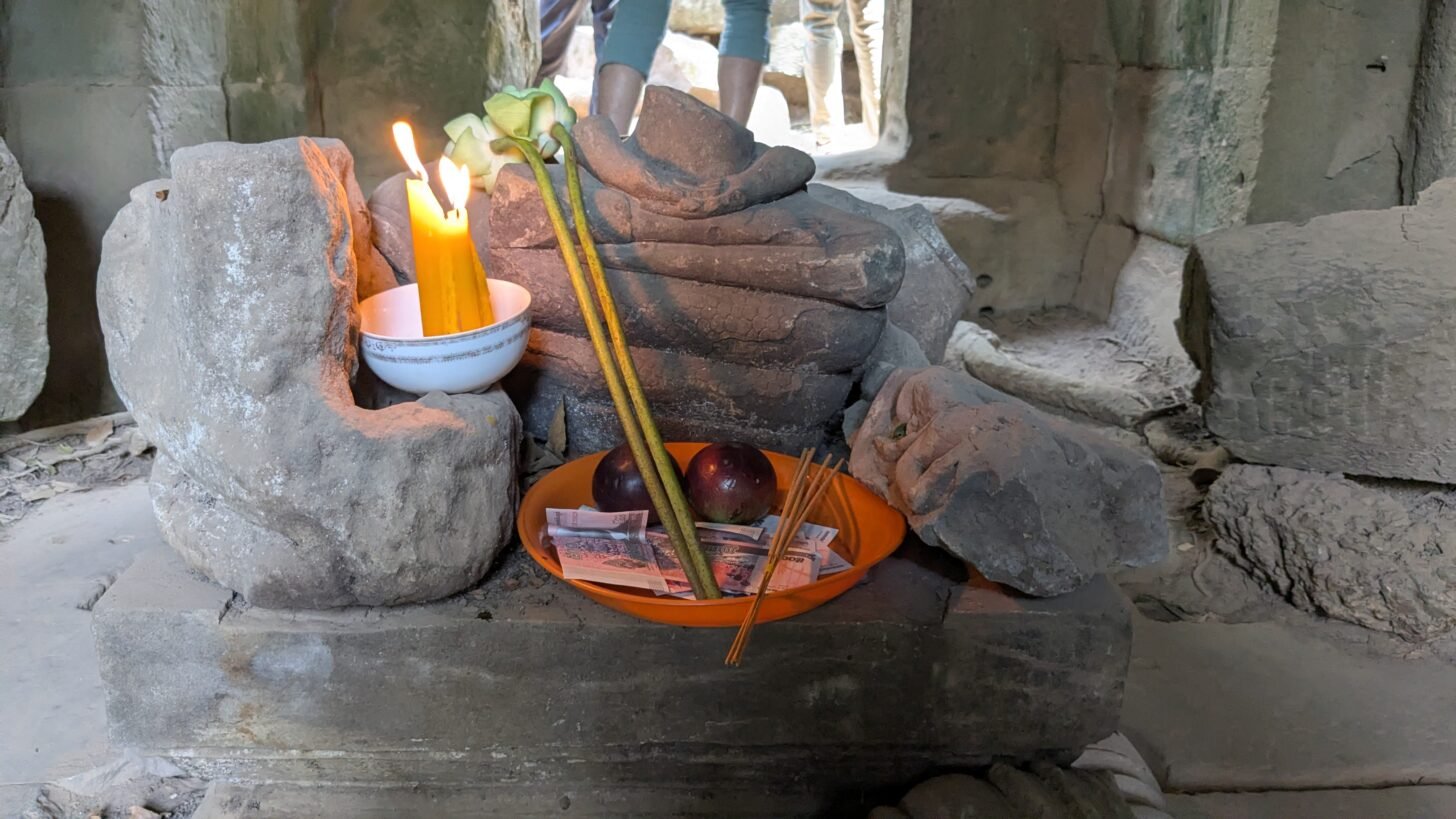
So I highly recommend visiting Cambodia if you can. The ancient temples are also gorgeous. I mean so, so amazing. And it’s really worth getting a good tour guide who can explain all of the little inscriptions and things like that.
So we did three places. We went to Siem Reap, where we saw lots of temples. We went to Phnom Penh, the Capital, where we learned about the history, and then we went to Kep, which is, uh, kind of like a coastal seaside town where we kind of just relaxed and did some nature-y stuff for the last few days.
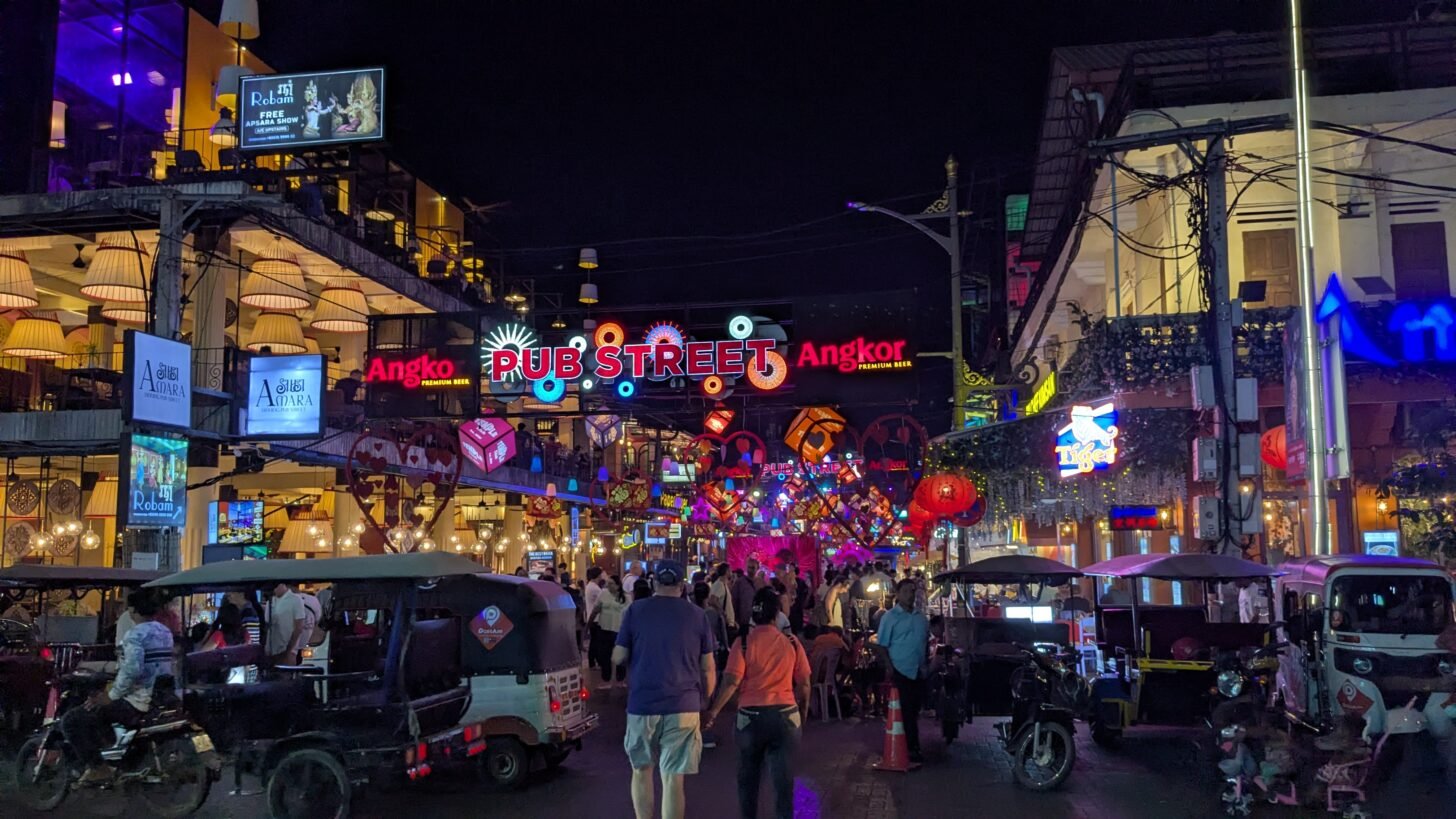
And it was all amazing, like food, weather, nature, history. It was all just phenomenal, but it was also like a really powerful experience. So please go to Cambodia if you can.
Now, of course, the question you’re all dying to ask is: Ariel, did you eat tarantula? And the answer is yes. So if you didn’t know, in parts of Cambodia they eat tarantula. Tarantula is that really big poisonous spider that in kids’ films, you know, gets put on the villain’s face or something like that, and you find it in jungles and stuff.
So anyway, I ate tarantula. I ate deep fried tarantula. Now, before they cook the tarantula, they remove its teeth. So they put out a stick and the tarantula bites the stick, and then they pull it away so it breaks their teeth, so they can’t hurt you, and then they fry them.
To be honest, uh, it was like a five out of 10. It’s not very tasty. It mainly just tastes of the seasoning that it’s fried with. I didn’t know, but the abdomen, which is kind of like the spider’s butt, some people say you should eat, some people say you shouldn’t because it’s basically full of spider poop and half-digested flies. Um, I ate it ’cause I didn’t know and it was, it was mushy. Yeah, it was very sort, sort of soft. Didn’t have a particularly strong flavour. Half of you have probably stopped listening by this point, and if you’re watching on YouTube, you will have seen a video of me eating the tarantula. Woo!
So yeah, I think I would really like to go to Cambodia again, especially for like a nice resort holiday. It’s very affordable. It’s very pretty. I really did think a lot about this episode I’m making now. Like should I talk all about Cambodian history? Should I share all of the experiences that were shared with us? But to be honest, I feel like it would be a bit emotionally sensationalist or, I don’t know.
It’s very difficult being an influencer or any kind of online content creator because you’re always pushed to make these very emotional, very over-the-top videos or posts because that, you know, brings more engagement and I do think it’s really important to share the history of what happened. I just don’t necessarily know that I’m the right person to do that. Obviously, I can share my experience of it. Maybe I will in another episode.
I also, to be honest, I’m a bit of a coward because when I was in Cambodia, there was one point where I sent a voice message to a friend and I was talking about, you know, what we’d seen and learned in Phnom Penh, and I was just crying, like I was crying, like it was too much for me to emotionally handle.
So there is a part of me that’s just a bit of a wimp that doesn’t want to make an episode about that because I don’t want to cry on camera. I don’t wanna like put myself through that emotionally. And maybe that’s the takeaway, is like, I come from a wealthy country. This is a completely different culture. It was all before I was born. And yet even just learning about those experiences, seeing the history, talking to people who had been alive, affected me so deeply, like it made me so, so sad that I don’t even want to really talk about the things that I learned because they’re so painful and just, they kind of show how unimaginably cruel human beings can be. Like when you learn the things that people were doing, it’s shocking.
When we were at S-21, it was originally a high school that was then turned into this prison in Phnom Penh where they tortured many, many people and killed many people, we actually met one of the survivors, so there were seven survivors from that prison. Five of them have died and two of them are very old. They’re in their nineties, and one of the survivors is 95. We actually saw him. We just saw him through a car window and he waved. He was going off to hospital to get treatment. This is his book, Survivor Chum Mey (S-21). We bought his book because you don’t meet a genocide survivor and then be like, I don’t wanna buy his book.
But in the introduction to his book, he talks about how he doesn’t blame the people who tortured him. He understands that they had to do that or they would be tortured or killed themselves. And it’s amazing to read that when you know the things that happened in that place, the things they were made to do. It’s really just unbelievable that someone could forgive, you know? There’s still unfortunately a lot of political instability in Cambodia. They don’t have a free press. The government is pretty corrupt. But generally you get a sense that there has been a huge amount of forgiveness and mercy shown to those who were involved with the regime.
You know, growing up I would hear about survivors of World War I and World War II, and I believe most, if not all of the survivors of World War I have died now. But you know, these were not people you met. It really felt like a, a different world. So to meet someone who not only survived that, but you know, when he went into that prison, he was a fully grown adult who had already led a very difficult life in Cambodia. It’s like, it was just really shocking to think that in the seventies when all of that was happening, my parents were just growing up and living normal lives.
I don’t know, the whole experience was just really, really moving and I think, you know, I didn’t know a lot about Cambodia before I went there. It’s a bit tempting to be like, oh, I’ll skip all the genocide stuff, or to make assumptions, but it is really, really, really worth learning about and going to these places. It truly felt like, oh no, this is a story that needs to be shared. This is something that we need to remember because it truly is just, I lack the words to really express it.
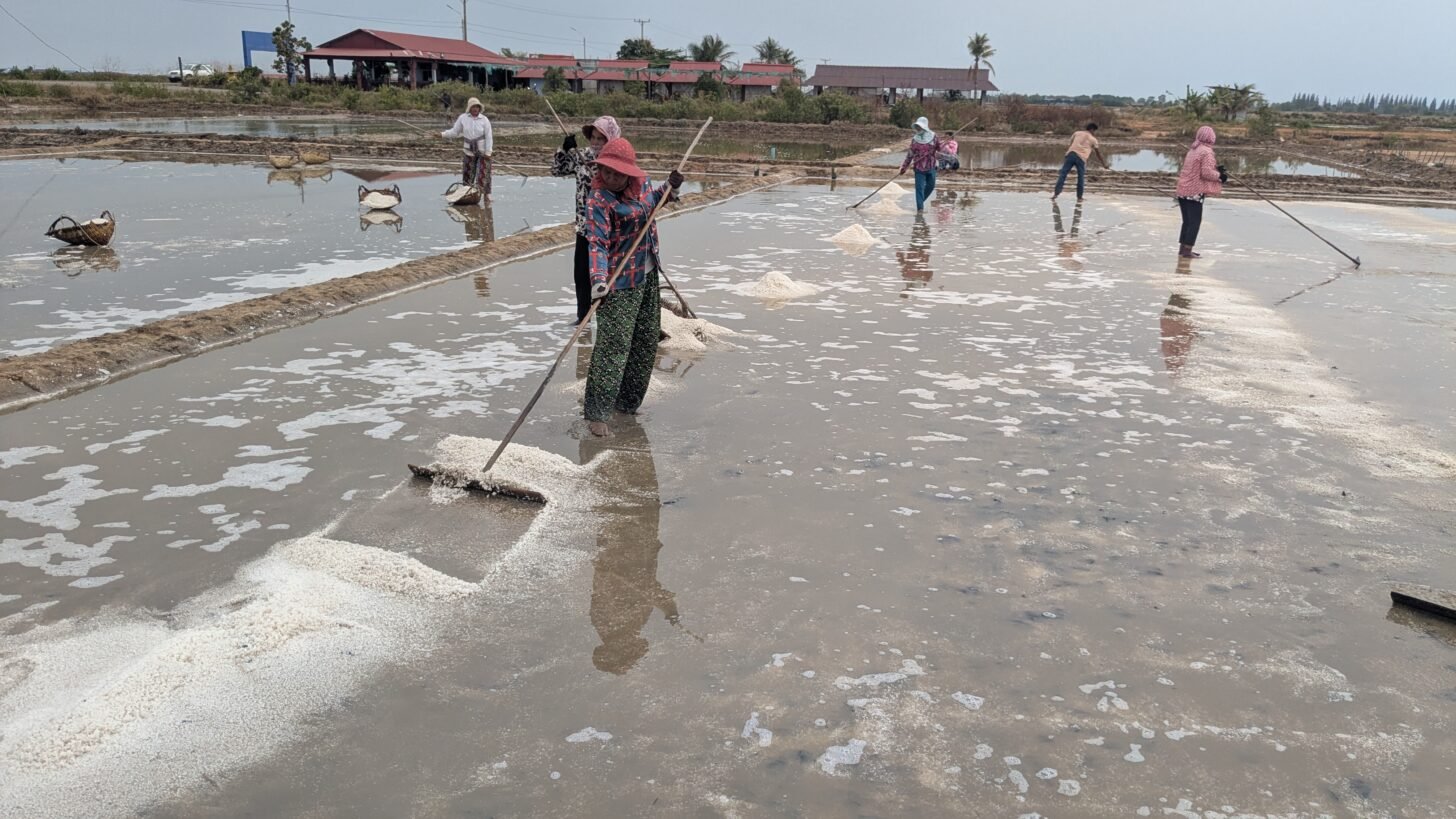
So anyway, that was my holiday in Cambodia. Um, that’s about a tenth of how dark and sad it could get. So if you’re really interested in like a, an episode where I talk about it, I could do one, but I really strongly encourage you to do your own research. I’m sure there are plenty of good YouTube episodes and podcasts about it.
Anyway, since coming back from Cambodia, I have started back at work. We are now in the second semester, which thankfully is a lot shorter. The first semester was 22 weeks. This one is 18, and I have already planned most of my holidays leading up to the summer. I’m so excited for the summer because I’m going back to London and I’m gonna go see my family and friends and catch up with everyone, and it’s going to be really lovely.
But generally, the feeling I have so far into the second semester is I’m settled here. I’m comfortable at work. I know what I’m doing. I have friends. I’ve been doing lots of exercise. My God, yesterday I went to the gym and I cycled for an hour and I sort of accidentally ended up hiking up a small mountain. So, you know, active lifestyle, moi? Of course!
So yeah, things are going well for me. It’s been a great few months. Also, spring has finally sprung. We’re getting some sunny weather. We’re getting birds chirping in the trees, maybe a capybara or two lurking in the bushes. Not really. And I have felt this huge surge of energy to get me through the rest of the year. So yeah, I’m feeling really good.
So hopefully you’re having the same experience. Obviously if you’re in the southern hemisphere, it’s not spring. Spring has come and gone. But yes. Thank you so much for listening to today’s episode. That’s it. That’s pretty much everything. For once, I have run out of babbles and bimble and words and phrases and all that in nonsense, so I will just say one more: bye!


Leave a Reply